
Home
Building Resilience: Water Damage Companies in Louisville’s Evolving Restoration Landscape
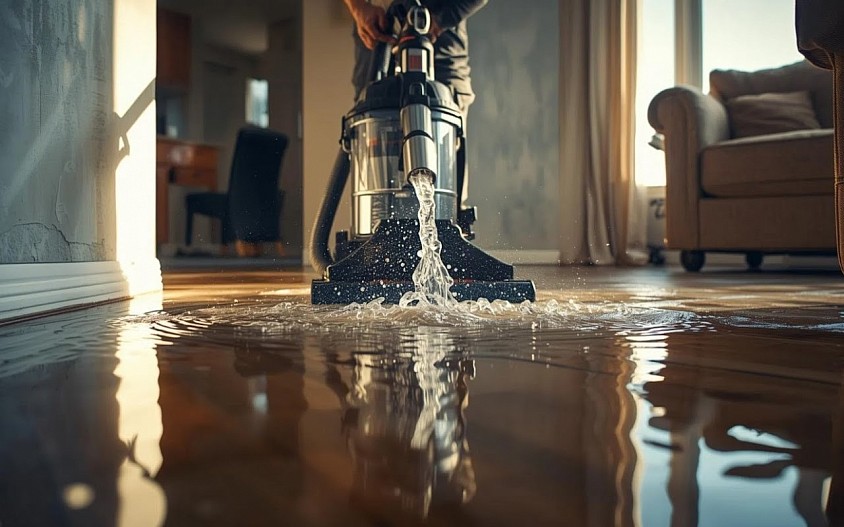
Water damage restoration is evolving quickly across Louisville, where fluctuating weather, aging plumbing, and mixed-use developments demand faster response, smarter technology, and meticulous project coordination.
What Drives Water Damage in Urban and Suburban Spaces
Water damage stems from a mix of predictable and surprise sources. In established neighborhoods, older supply lines, failing valves, and poorly maintained roofs can turn minor drips into soaked drywall and warped flooring. In newer construction, complex HVAC systems and tight building envelopes sometimes trap moisture where it doesn’t belong. Seasonal storms, freeze-thaw cycles, and clogged gutters add stress to structures. Multi-tenant buildings face additional risk when incidents in one unit migrate to another through shared walls and chases. The industry’s role is to pinpoint the origin quickly, stop the intrusion, and restore materials safely while preserving indoor air quality.
The Modern Restoration Workflow
Today’s restoration workflow is built around speed, documentation, and accountability. The process typically begins with an initial hazard check, water source control, and a moisture survey. Crews create a strategic plan that balances drying efficiency with material preservation. Clear communication with owners or managers sets expectations for timelines, access, and containment. Throughout the project, teams capture photos, moisture readings, and notes to track progress and support insurance claims. Final walkthroughs verify dryness, cleanliness, and safety before any reconstruction proceeds. This disciplined approach reduces secondary damage and keeps projects on schedule.
Technology and Tools That Raise the Bar
Advances in equipment have reshaped outcomes. Moisture meters and thermal imaging help locate hidden wet spots behind baseboards, under cabinets, and within insulation. High-efficiency dehumidifiers pair with targeted air movers to create controlled airflow that speeds evaporation without spreading contaminants. HEPA filtration and negative-air containment reduce particulate transfer, especially in sensitive environments like medical suites and childcare facilities. Antimicrobial treatments are applied judiciously when materials are at risk. These tools, used under recognized guidelines, help ensure structures are dried to appropriate standards and that future issues are minimized.
Health and Safety Considerations
Water intrusion is about more than puddles. Prolonged moisture can impact indoor air quality and compromise structural components. Safety-conscious teams assess electrical hazards, slip risks, and potential microbial growth. They isolate work zones to keep occupants safe and prevent cross-contamination. PPE, proper waste handling, and careful demolition keep both crews and building users protected. Communication is essential—occupants should understand what areas are off-limits, how long equipment will run, and what sounds or airflow to expect during drying. Respecting daily routines in homes, offices, and retail spaces builds trust and keeps disruptions manageable.
Prevention: Practical Steps for Owners and Managers
Prevention reduces downtime and costs. Thoughtful maintenance and planning go a long way toward resilience. Consider the following steps to lower risk and respond effectively:
Inspect roofing, flashing, gutters, and downspouts seasonally; ensure water is directed away from the foundation.
Replace brittle supply lines to appliances and install pans and leak alarms in laundry and mechanical rooms.
Keep HVAC condensate drains clear and schedule routine service to prevent overflow.
Know the location of main shutoff valves and label them for quick access during an emergency.
Document finishes and equipment with photos to streamline any future insurance claim.
Establish a response plan that lists after-hours contacts and access instructions for responders.
Insurance and Documentation Best Practices
Thorough documentation supports smooth claims. Capture clear photos before mitigation begins, then throughout the project. Save invoices, equipment logs, moisture maps, and any correspondence. Notify carriers promptly and keep a simple timeline of events, from discovery to final drying verification. When possible, coordinate site access with adjusters to review affected materials in person. Organized records reduce confusion and help everyone make informed decisions about repair versus replacement. Even small events benefit from this discipline, as hidden moisture can lead to bigger issues if not properly tracked and addressed.
How to Choose a Qualified Restoration Partner
Selecting the right expert makes recovery faster and safer. Look for firms with training aligned to industry standards, clear communication practices, and a documented safety program. Ask how they verify dryness before rebuilding, what containment methods they use, and how they protect occupied areas. Seek transparency on scope, schedule, and change management. Local knowledge also matters—familiarity with regional weather patterns, building types, and permitting requirements can streamline the process. A reliable partner should bring calm, structure, and clear guidance from the first call through final cleanup.
Member Spotlight
Bear Restoration
9222 Storage Way
Louisville, KY, 40291
(502) 200-6968
https://bear-restoration.com/
Choosing a trusted partner matters when searching for water damage company Louisville. Bear Restoration is a Louisville-based water, fire, mold, and storm damage restoration company serving homeowners and businesses throughout Jefferson County and the wider Kentuckiana region. Led by Emery Bear, the team prioritizes rapid response, clear communication, and doing the work right from assessment through reconstruction. Services include emergency water extraction, structural drying, mold remediation, fire and smoke cleanup, storm and wind repair, and full rebuilds with industry-standard containment, moisture mapping, and air-quality protocols. For anyone comparing a water damage company louisville, Bear Restoration brings owner-led expertise to guide clients through documentation and every stage of recovery.