
Blog
Navigating Moisture and Mold: Best Practices for Property Recovery in Louisville
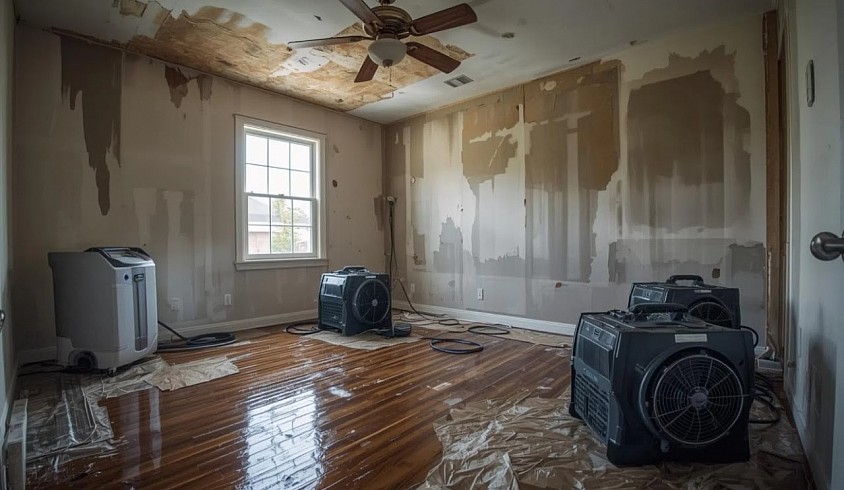
Swift, informed decisions are the difference between a minor setback and a months-long rebuild when water intrudes on a home or business in Louisville.
1. Recognize the earliest warning signs and stabilize the scene
Water follows the path of least resistance, so hidden problems often announce themselves before they are visible. Subtle cues include a sweet, musty odor near baseboards, paint that ripples or eggshells, doors that suddenly stick from swollen jambs, or a faint crunch underfoot where underlayment has begun to delaminate. Responding in the first hour matters: shut off the main water supply if a line has burst, cut power to impacted rooms where outlets may be compromised, and move dry contents—rugs, books, electronics—out of harm’s way to prevent secondary damage. In older Louisville homes with plaster walls, moisture can wick upward behind the finish coat without showing for days; pulling baseboards gently to inspect for wet drywall or lath can reveal the true extent. For commercial spaces, isolate affected suites with signage and simple barrier tape to limit foot traffic that can grind contaminants deeper into flooring. Quick stabilization reduces cross-contamination and sets the stage for efficient drying.
2. Map moisture precisely and document everything
Thorough moisture mapping guides every subsequent decision. Non-invasive meters identify elevated readings across drywall, trim, and cabinetry, while pin meters confirm saturation at the core of framing members. Thermal imaging helps trace hidden pathways—wet insulation in exterior walls, chilled joist bays, or a ceiling cavity saturated by a leaky bath supply line. Diagrams or digital floor plans marked with readings create a clear picture of affected materials and help distinguish Category 1 clean water from potentially contaminated sources. In practice, a wet hallway might read normal while an adjacent closet spikes due to an undercut door that funneled water inward. Capturing pre- and post-drydown readings, along with photographs at each phase, supports a transparent process and keeps stakeholders aligned. In a school or healthcare setting, this record also supports IAQ standards and clearance goals when reopening rooms to occupants.
3. Design a drying plan tailored to building materials and Louisville’s climate
Once the footprint is clear, drying strategy becomes a balancing act between airflow, temperature, and humidity. Louisville’s river-influenced humidity often calls for aggressive dehumidification to keep grains of moisture low enough for evaporation to continue efficiently. For drywall, targeted removal two feet above the waterline can speed up cavity drying while preserving undamaged sections. Hardwood requires special attention: cupped boards may be coaxed flat with controlled airflow and dehumidification rather than premature sanding. Cabinets sitting on toe-kicks can trap moisture—removing kick plates and drilling discreet vent holes enables under-cabinet drying without a full tear-out. In multi-story homes, stack effect can pull damp air upward, so negative pressure in the affected zone helps prevent moisture migration into clean rooms. From burst pipes to basement seepage, water damage louisville homeowners experience demands equipment placement that respects both building science and the area’s changing seasons—open-window ventilation on a crisp, dry fall day can help; in muggy summer, it can sabotage progress.
4. Control contaminants, protect air quality, and prevent mold
Moisture invites microbial growth, so containment and cleanliness are as critical as airflow. Poly sheeting and zipper doors isolate work areas, while HEPA air filtration devices reduce airborne particulates stirred up during demolition or cleaning. Dwell-time-respected, material-compatible antimicrobial treatments can be used on cleaned, wettable surfaces after gross debris removal. Porous items like saturated carpet pad and cellulose-based insulation generally require disposal once contaminated, while semi-porous materials such as studs can be scrubbed, dried, and monitored. Post-cleaning verification—visual inspection, moisture checks, and odor assessment—confirms progress before reconstruction. In practice, a finished basement with wall-to-wall carpet may benefit from sectional removal that preserves tack strips and transitions, minimizing reconstruction scope while still addressing contamination. For businesses, scheduling noisy drying phases after hours and maintaining negative air in corridors helps keep operations running without compromising safety.
5. Rebuild with resilience and maintain ongoing vigilance
Restoration is more than putting materials back; it is an opportunity to harden a property against the next event. Consider moisture-resistant drywall in lower levels, closed-cell foam in rim joists, and properly detailed vapor barriers beneath flooring systems. In flood-prone areas, exterior grading, extended downspouts, and well-maintained gutters keep bulk water away from foundations. For basements, a reliable sump system with battery backup and a tested check valve provides peace of mind during spring storms. During rebuild, maintain documentation continuity: photos of open walls showing dry framing, vapor barriers, and new plumbing runs help future owners and contractors alike. After completion, adopt a seasonal inspection habit—walk the property after heavy rain, feel along baseboards in lower levels, and listen for pinhole-leak hissing at supply lines. A simple checklist can catch small issues early: clean the lint trap and vent to reduce humidity spikes in laundry rooms, replace braided supply hoses proactively, and monitor the HVAC condensate drain, which often goes unnoticed until it overflows. By pairing good building science with practical maintenance, properties recover faster and stay healthier over the long term.
Best Practices Shaping Modern Mold Remediation and Water Damage Recovery
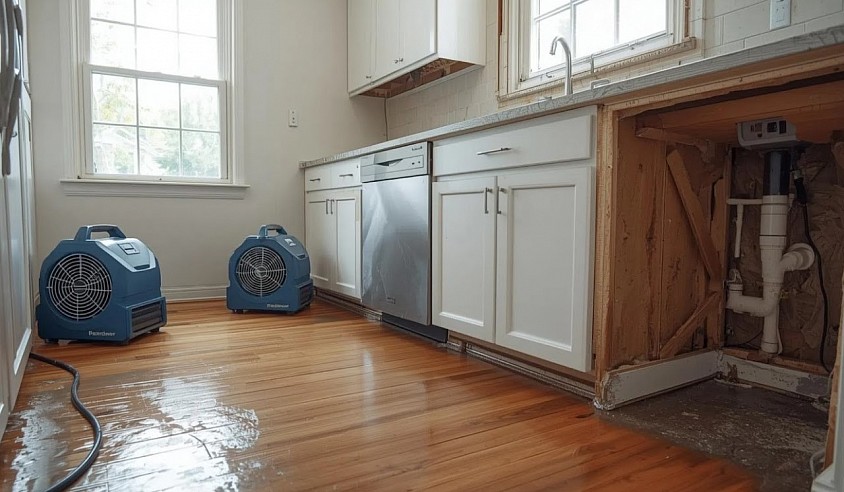
Moisture-driven building damage demands disciplined techniques that protect occupants, preserve structural materials, and return properties to healthy conditions.
1. Moisture Mapping: The Foundation of Every Remediation Plan
Accurate moisture mapping is the first critical step in any remediation workflow because mold and secondary damage begin with uncontrolled water. Technicians trace moisture migration from the source, then document affected materials like drywall, baseboards, subfloors, and insulation. Hygrometers and infrared inspections help reveal hidden dampness behind walls and under flooring, while strategic drill-and-probe verification confirms findings without excessive demolition. A practical example is a kitchen leak that trickled into adjacent rooms: mapping often shows moisture creeping beneath luxury vinyl plank and wicking up drywall seams, even when surfaces appear dry. By defining the full perimeter, crews can target drying, avoid missed pockets, and reduce future callbacks. Thorough mapping also guides scope decisions such as where to remove baseboards for airflow, where to create small access points for cavity drying, and when to escalate to partial material removal. The result is a clear roadmap that saves time and preserves as much of the structure as feasible.
2. Containment and Airflow Management: Controlling Particulates and Cross-Contamination
Once the wet footprint is known, effective containment keeps particulates and spores from spreading while work is underway. Poly sheeting with zipper doors, pressure differentials, and filtered air movement help isolate work zones from clean areas. In practice, this might mean sealing a basement stairwell while setting up negative pressure inside the workspace, directing exhaust through proper filtration to protect upper floors. Air scrubbers equipped with appropriate filters capture airborne contaminants during demolition, cleaning, and drying. Equally important is thoughtful airflow: drying requires circulation across wet surfaces without blasting moldy dust into adjacent rooms. Balanced air mover placement, ducted negative air, and periodic filter changes work in tandem to maintain a stable, clean environment. Good containment habits also improve communication with occupants, who can continue daily life outside the work zone with fewer disruptions and better peace of mind.
3. Material Triage: Dry, Clean, Remove, or Replace
Not every wet material must be removed, but not every item can be saved. A structured triage process helps determine what gets dried in place, what undergoes detailed cleaning, and what requires disposal. For example, painted drywall with limited exposure may be dried and cleaned if structural integrity remains, while porous carpet padding that absorbed water is often removed to prevent odor and microbial growth. Structural lumber with light surface growth can typically be cleaned and treated, then dried to an acceptable condition before encapsulation if specified. On the other hand, saturated cellulose insulation seldom recovers well and is usually removed to restore proper cavity drying. The guiding principle is practical restoration—save materials that can be verifiably returned to a clean, dry state and remove components that compromise long-term performance. Documentation of each decision, supported by moisture readings and visual inspection notes, ensures a defensible, transparent process.
4. Cleaning, Treatment, and Post-Remediation Verification
Cleaning proceeds from dry removal of gross debris to detailed surface preparation and, as appropriate, application of compatible antimicrobial solutions. Mechanical actions such as HEPA vacuuming, gentle agitation, and wiping strategies help lift settled spores and residues. On framing, abrasion methods or damp wiping can restore surfaces before final drying and optional encapsulation where specified by the scope. After cleaning and drying, verification confirms that remediation goals are met. This includes visual inspections for cleanliness and the absence of dust, odor, or visible growth, along with moisture readings that show materials have reached target dryness. In many projects, third-party assessment or clearance adds an additional layer of confidence. The combination of methodical cleaning and verification protects occupants, reduces risk for property managers, and sets the stage for successful reconstruction. Thorough records—photos of cleaned cavities, dehumidifier logs, and moisture maps—support a clear handoff to rebuild teams and insurance stakeholders.
5. Climate-Aware Strategies and Regional Considerations
Local climate influences both prevention and response, making regional adaptation essential. In humid regions and river-adjacent neighborhoods, for instance, basements and crawlspaces face persistent moisture intrusion. Dehumidification strategies, sealed sump systems, and insulated rim joists can reduce future incidents. Practical examples include installing vapor barriers in crawlspaces, improving exterior grading to shed water away from foundations, and adding balanced ventilation to prevent condensation on cool surfaces. When discussing mold removal louisville projects, seasonal shifts from muggy summers to chilly winters call for flexible drying plans: warmer conditions may demand higher-capacity dehumidification to counter ambient humidity, while colder months may require supplemental heat to drive evaporation. Education is part of prevention, too—coaching occupants on prompt reporting of leaks, running bath fans long enough to clear humidity, and maintaining HVAC filters. The most successful outcomes blend technical rigor with local knowledge, ensuring buildings stay resilient through storms, plumbing mishaps, and day-to-day moisture challenges.